
"rust-resistant coffee"
180 article(s) found

Control methods of cultivation techniques of small-grain Coffee
Disease control: 1. Coffee rust is the main disease of coffee, the most harmful, the damaged plants, light reduced yield, heavy death. Coffee rust is mainly harmful to leaves and sometimes to young fruits and twigs. After the leaves were infected, many light yellow spots appeared at first and enlarged in the form of water stains, followed by orange-yellow powdery spores on the back of the leaves, and there was a light green halo around the disease spots, and the disease spots in the later stage.

Mexican Coffee style Mexican Chiapas Coffee beans taste
Professional coffee knowledge exchange more coffee bean information please pay attention to the coffee workshop (Wechat official account cafe_style) Mexico is located in the northern end of Central America, the uppermost edge of coffee production belt, Mexico coffee producing areas from the north of coatepec (Cotepe) and veracruz (Veracruz), the middle is the Oaxac (Oaxaca) producing area of Pluma coffee, the southernmost end is and Guardia

Characteristics of Yunnan coffee bean iron pickup Yunnan coffee taste and flavor and description of the origin
The characteristics of Yunnan Tiepika Fine Coffee Bean Taste and Flavor description treatment method outside the origin of Ethiopia, the mutants or mixed-race varieties cultivated or found in Central and South America, India and East Africa are mainly Tibica and bourbon, and the genetic complexity is far lower than that of Ethiopia, which is the main reason for the weak physique and poor disease resistance of Arabica outside Ethiopia.

Control of Coffee Rust and Coffee anthracnose by Coffee Diseases
1. Coffee rust is the main disease of coffee, the most harmful, the damaged plants, light reduced yield, serious death. Coffee rust is mainly harmful to leaves and sometimes to young fruits and twigs. After the leaves were infected, many light yellow spots appeared at first and enlarged in the form of water stains, followed by orange-yellow powdery spores on the back of the leaves, and there was a light green halo around the disease spots, which gradually expanded or connected in the later stage.

Cultivation techniques of Yunnan Coffee with small grains
Disease control: 1. Coffee rust is the main disease of coffee, the most harmful, the damaged plants, light reduced yield, heavy death. Coffee rust is mainly harmful to leaves and sometimes to young fruits and twigs. After the leaves were infected, many light yellow spots appeared at first and enlarged in the form of water stains, followed by orange-yellow powdery spores on the back of the leaves, and there was a light green halo around the disease spots, and the disease spots in the later stage.

Cultivation conditions of three native species of coffee beans
Coffee is mainly divided into three categories: Arabica (Arabica), Robusta (Robusta) and Liberia (Liberica), but Arabica and Robsta are mostly in circulation in the market. No matter what it is, it has its advantages and disadvantages, and its purpose and use are not the same. There are about 40 species of coffee plants, but only coffee beans with commercial value can be produced.

Description of the Coffee Flavor of the Manor of the Gui Tree in Honduras the taste of coffee in the Manor of the Gui Tree in Honduras
More information on coffee beans Please follow Coffee Workshop (official Wechat account cafe_style) until recently, coffee in Honduras was for the commercial market and the country was generally considered to be an exporter of low-priced goods. Throughout the 1990s, other countries in Central America began to be famous for producing quality, specialty coffee, while Honduras fell dramatically.

History of introduction and expansion of Coffee in early China (5)
1. From the first peak period of the development of China's coffee industry (1952-1961) to the late 1940s, according to recorded figures, there are 2173.33 hectares of rubber plantations in Hainan Island, with a total of 867600 rubber trees, with an annual output of 199,000 tons of dry rubber, and more than 300,000 coffee plants. the annual output of coffee beans is 1 ton. According to a survey in the early 1950s, there was a large amount of coffee left in Fushan area of Chengmai County, with a total of 70,000.

Kaha Yang Gan Manor Coffee Manor in Indonesia Kopi Luwak
Arabica coffee beans grow in tropical colder high-altitude areas, and the hot and humid zone that is not suitable for Arabica coffee is where robusta coffee grows. Robusta has a unique aroma (called Rob smell, which some people think is musty) and bitter, accounting for only 2% of mixed coffee. 3% of mixed coffee, the whole cup of coffee becomes Robusta flavor. Its flavor

Colombian washed Coffee Bean Flavor Colombian Rosa Flavor Flavor explosion
Professional coffee knowledge exchange more coffee bean information please follow the Coffee Workshop (Wechat official account cafe_style) Front Street-Colombia Tomali Grass Manor washing Rose introduction Tolima Tolima is the third largest coffee producing area in Colombia, accounting for 12% of Colombia's annual coffee production. Coffee cultivation here dates back to the early 20th century, when it was widely grown at low elevations.

Introduction to the flavor characteristics of medium-grain coffee, that is, robusta coffee, compared with Arabica coffee
Tower species (Latin name Coffee Robusta Linden), in the world
Prevention and control of small-grain coffee diseases (coffee rust, coffee anthracnose)
1. Coffee rust is the main disease of coffee, the most harmful, the damaged plants, light reduced yield, serious death. Coffee rust is mainly harmful to leaves and sometimes to young fruits and twigs. After the leaves were infected, many light yellow spots appeared at first and enlarged in the form of water stains, followed by orange-yellow powdery spores on the back of the leaves, and there was a light green halo around the disease spots, which gradually expanded or connected in the later stage.
Coffee planting History of Coffee introduction and expansion in China in the early stage (5)
1. From the first peak period of the development of China's coffee industry (1952-1961) to the late 1940s, according to recorded figures, there are 2173.33 hectares of rubber plantations in Hainan Island, with a total of 867600 rubber trees, with an annual output of 199,000 tons of dry rubber, and more than 300,000 coffee plants. the annual output of coffee beans is 1 ton. According to a survey in the early 1950s, there was a large amount of coffee left in Fushan area of Chengmai County, with a total of 70,000.

Cultivation techniques of small Coffee cultivation of Coffee beans in Yunnan Province
Disease control: 1. Coffee rust is the main disease of coffee, the most harmful, the damaged plants, light reduced yield, heavy death. Coffee rust is mainly harmful to leaves and sometimes to young fruits and twigs. After the leaves were infected, many light yellow spots appeared at first and enlarged in the form of water stains, followed by orange-yellow powdery spores on the back of the leaves, and there was a light green halo around the disease spots, and the disease spots in the later stage.
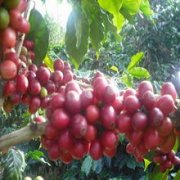
Coffee knowledge three native species of coffee
Coffee is mainly divided into three categories: Arabica (Arabica), Robusta (Robusta) and Liberia (Liberica), but Arabica and Robsta are mostly in circulation in the market. No matter what it is, it has its advantages and disadvantages, and its purpose and use are not the same. There are about 40 species of coffee plants, but only Allah can produce coffee beans of commercial value.

What are the three primary coffee species?
Liberian: West Africa is the origin of Liberian coffee. It has strong adaptability to various environments such as high temperature or low temperature, humidity or dryness, etc., except for leaf rust resistance, and its flavor is worse than Arabica, so it is only traded domestically in some West African countries (Libya, Cote d'Ivoire, etc.) or planted for research. circulating in world markets
The History of Coffee introduction and expansion in China in the early stage (5)
1. From the first peak period of the development of China's coffee industry (1952-1961) to the late 1940s, according to recorded figures, there are 2173.33 hectares of rubber plantations in Hainan Island, with a total of 867600 rubber trees, with an annual output of 199,000 tons of dry rubber, and more than 300,000 coffee plants. the annual output of coffee beans is 1 ton. According to a survey in the early 1950s, there was a large amount of coffee left in Fushan area of Chengmai County, with a total of 70,000.

Flavor and taste characteristics of Indonesian coffee introduction to Arabica Coffee Manor in Manor producing area
Arabica coffee beans grow in tropical colder high-altitude areas, and the hot and humid zone that is not suitable for Arabica coffee is where robusta coffee grows. Robusta has a unique aroma (called Rob smell, which some people think is musty) and bitter, accounting for only 2% of mixed coffee. 3% of mixed coffee, the whole cup of coffee becomes Robusta flavor. Its flavor

What kind of Katim is Katim Coffee delicious? description of Katim's characteristics and Flavor
Professional coffee knowledge exchange more coffee bean information Please pay attention to the coffee workshop (Wechat official account cafe_style) for a long time, Yunnan mainly sells coffee beans, which is insufficient with downstream processing and does not have much profit margin. In addition, the planting area of coffee is developing too fast, and the quality is difficult to control, which gradually becomes a hidden worry for development. How to shape Katim into a high-end brand and broaden the country

Does Catimorkatimo Coffee beans taste good? the Development and breeding process of Katim Coffee varieties
Professional Coffee knowledge Exchange more information on coffee beans Please follow the Coffee Workshop (official Wechat account cafe_style) Katim coffee beans were developed from a cross between rust-resistant Timor and Caturra in Portugal in 1959. Katim coffee beans are precocious and resistant to disease, and their yield is much higher than other varieties of commercial value. For this reason, we must be diligent in fertilizing